Bedroom Feng Shui
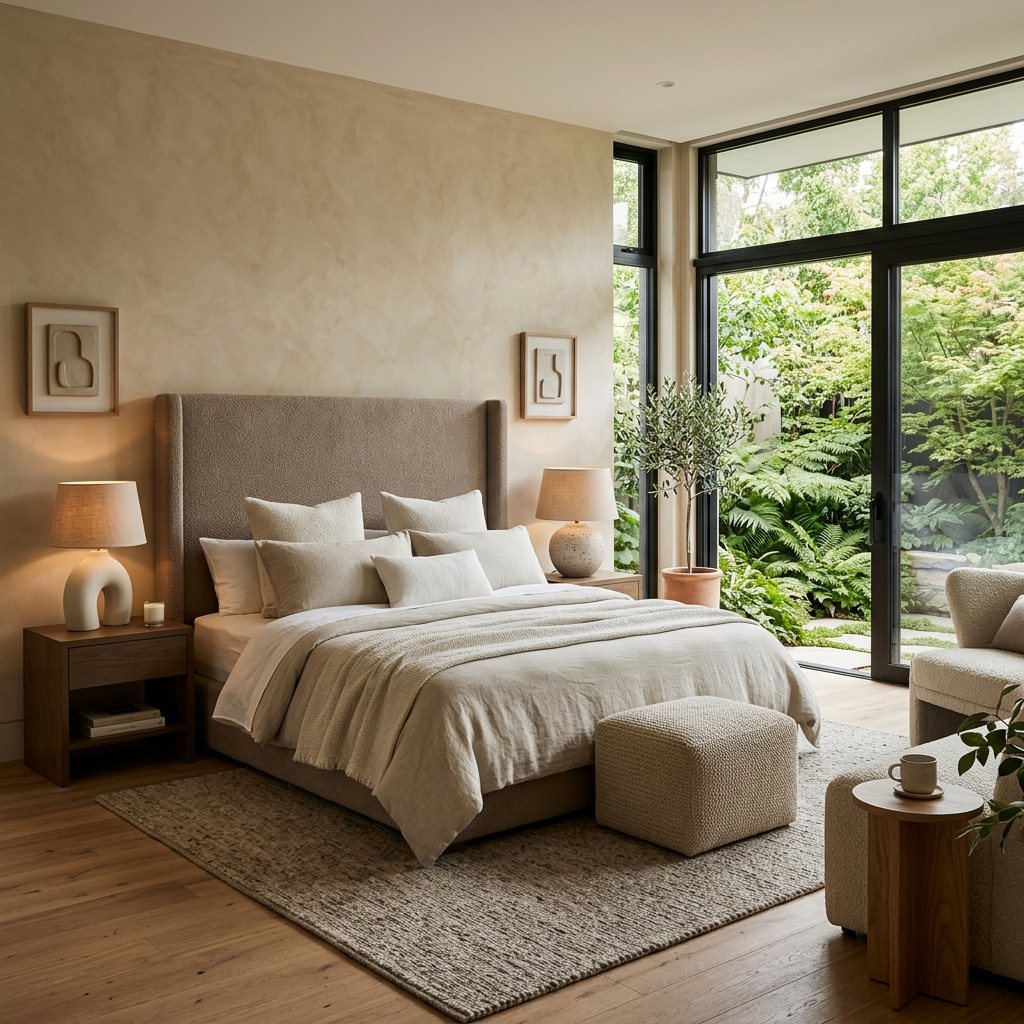
Transform your bedroom into an intentional sanctuary for deep rest, emotional restoration, and balanced daily vitality through modern spatial design.
Explore Your Personal Layout
Free 5-dimension spatial audit • Immediate room feedback
1. What Is Bedroom Feng Shui?
Bedroom Feng Shui is the mindful organization of your primary rest environment to support deep physiological recovery and mental peace. While living areas require active, buoyant energy (Yang), the bedroom calls for soft, grounding, and protective energy (Yin).
By calibrating furniture orientations, lighting temperature, and traffic flow, bedroom Feng Shui reduces subconscious vigilance, allowing your nervous system to fully transition into restorative parasympathetic states each night.
2. Where Should Your Bed Be Placed?
The bed is the commanding anchor of the room. Traditionally, the optimal placement is diagonally across from the bedroom entrance—a position that grants a clear visual line of sight to anyone entering while keeping your body outside the direct line of door swing.
Equally vital is symmetry: providing accessible pathways and nightstands on both sides of the mattress encourages relational balance and prevents one partner from feeling spatially hemmed in against a wall.
3. Bedroom Door & Bed Placement
A central tenet in classical environmental practice is avoiding the direct alignment of the bed with the bedroom door. When your feet or head point straight out through the doorway, rushing hallway airflow directly buffets your sleeping space—historically referred to as the 'coffin position'.
If room dimensions make direct alignment unavoidable, introduce an intentional visual buffer: a solid footboard, a low storage bench, or a textured drape to diffuse rushing currents before they reach your resting body.
4. Windows and the Bed
Placing your headboard directly beneath an active exterior window can leave you vulnerable to drafty drafts, morning temperature drops, and outdoor acoustic disturbances. In Eastern space planning, a wall represents mountain-like stability, whereas a window represents flux.
Whenever possible, anchor your bed against a solid interior wall. If architectural constraints require sleeping beneath a window, invest in a tall, supportive headboard and install dense, insulating blackout drapery to artificially simulate solid backing.
5. Bedroom Mirrors
Mirrors are energetic amplifiers in environmental design. When positioned directly facing the bed, unexpected reflections during waking moments can trigger instinctual startle reflexes in low lighting.
Angle full-length mirrors so they reflect decorative wardrobe doors, art, or natural greenery rather than your sleeping posture. If mirrors are integrated into closet doors opposite your bed, consider soft sheer curtains or frosted films to soften night reflections.
6. Lighting and Bedroom Balance
Illumination sets the biological clock. Avoid single, harsh center-ceiling pendants that cast direct downlight onto your pillows. Instead, layer your room with low-lumen, warm-toned bedside sconces (2700K or lower) that foster melatonin release.
Natural morning daylight is equally crucial: sheer linens that filter soft morning rays help naturally awaken the circadian rhythm without aggressive glare.
7. Clutter and Spatial Flow
Clutter is the primary cause of stagnant Chi. Storage boxes packed beneath the mattress obstruct air circulation, while overflowing laundry chairs create visual 'mental noise' right before sleep.
Keep under-bed areas clean and clear, or limit storage strictly to soft, clean linens. A five-minute nightly surface sweep restores a feeling of spacious calm to your sanctuary.
8. Simple Bedroom Feng Shui Changes
You do not need an architectural renovation to feel the benefits of balanced space planning. Try these three low-effort weekend adjustments:
Pull the bed away from corner walls so both sides have comfortable foot clearance.
Pivot standing mirrors slightly away from mattress line-of-sight.
Remove bulky suitcases and clutter so natural air circulates freely below.
9. Frequently Asked Questions
Cultural Practice & Educational Intent: Feng Shui interpretations are based on traditional Chinese practices and cultural perspectives. They are intended for educational and personal reflection, not scientific, medical, financial, or professional advice. SPACE × SELF champions evidence-informed interior design alongside timeless cultural mindfulness.
Understand Your Space. Understand Yourself.
Upload a bedroom photo to instantly audit bed placement, door alignment, window drafts, and energetic flow with our modern visual engine.
Analyze My BedroomRelated Spatial Guides
Commanding Position Checker
Simulate bed-to-door sightlines, window drafts, and mirror reflections in 2D.
Launch Simulator → Spatial GuideFeng Shui Bed Placement
Where your bed should go according to commanding position principles.
Read Guide → Spatial GuideBedroom Mirror Placement
Guidelines on reflections, closet mirrors, and restful sleep.
Read Guide → Spatial GuideDoor & Bed Alignment
How door positions affect bedroom privacy and subtle energy currents.
Read Guide → Spatial GuideFeng Shui for Modern Spaces
Return to the comprehensive modern space and wellness hub.
Read Guide →