Feng Shui for Modern Spaces
A thoughtful exploration of how classical spatial wisdom and modern interior architecture converge to foster calm, balance, and intentional living throughout your home.
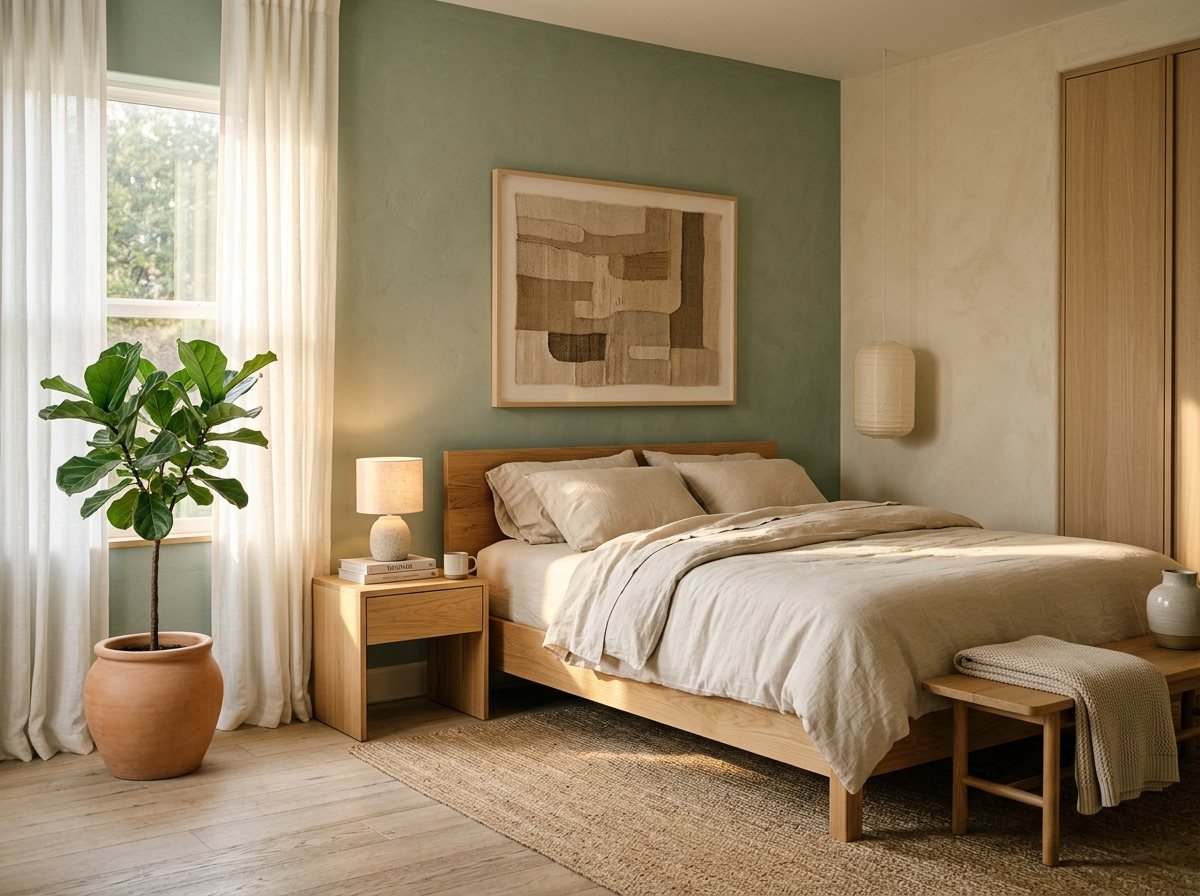
Explore Your Personal Layout
Analyze your bedroom layout in seconds • No account required
1. What Is Feng Shui?
At its core, Feng Shui (literally translating to "Wind and Water") is an ancient Chinese environmental philosophy centered on the relationship between human well-being and the spaces we inhabit. Rather than esoteric rules, traditional practitioners observed how natural forces—air circulation, sunlight, elevation, and terrain—influence comfort, safety, and vitality.
The guiding principle is the cultivation of Sheng Chi (nourishing, gentle vital energy) and the mitigation of Sha Chi (stagnant, rushed, or harsh energy). When applied with an open mind, Feng Shui offers a mindful lens for assessing whether your home supports relaxation, focus, and emotional grounding.
Traditional Practice Note
Feng Shui interpretations are rooted in traditional Chinese cultural heritage and environmental observation. They are intended for educational and personal reflection, offering an aesthetic and mindful perspective rather than scientific, medical, financial, or predictive advice.
2. Feng Shui and Modern Interior Design
Modern interior design often emphasizes visual minimalism, clean geometry, and functional ergonomics. Far from being in conflict, traditional spatial harmony principles seamlessly enrich contemporary design by addressing the subconscious psychological experience of being in a room.
Where architectural space planning asks "Is this layout efficient?", Feng Shui asks "How does your body feel when sitting or sleeping here?" Concepts such as open pathways, visual anchor walls, natural light modulation, and biophilic textures form the common bridge between centuries-old wisdom and today’s Japandi, Scandinavian, and warm minimalist interiors.
3. Bedroom Feng Shui
The bedroom is considered the primary sanctuary in your home. Because we spend a third of our lives resting and recharging, the energetic quality of this room directly shapes our daily vitality, nervous system recovery, and relational harmony.
Key bedroom considerations include positioning the bed in the Commanding Position (where you can see the doorway without being in direct alignment with it), ensuring a solid wall behind your headboard for psychological grounding, keeping mirrors out of direct sight from the bed, and eliminating under-bed clutter to allow smooth air circulation.
Essential Bedroom Harmonization Checklist
- Solid headboard firmly grounded against an interior anchor wall
- Equal breathing room and balanced side tables on both sides of the bed
- No mirrors reflecting your resting body directly during the night
- Soft, dimmable ambient lighting replacing harsh overhead fixtures
4. Living Room Feng Shui
The living room is the communal heart of the residence—a space that gathers household members and welcomes social interaction. In Feng Shui terms, this room governs communication, collective harmony, and external connection.
A balanced living room layout features a primary sofa anchored against a solid wall rather than floating adrift in high-traffic pathways. Conversation areas should be arranged in circular or semi-enclosed groupings that invite open eye contact without feeling congested. Abundant natural light and soft perimeter greenery help circulate refreshing vital Chi.
5. Home Office Feng Shui
With remote and hybrid work becoming permanent fixtures of modern life, the home office has taken on elevated importance. Spatial balance in a workspace directly impacts focus, decision fatigue, and professional boundary-setting.
To cultivate clarity, place your desk facing toward the room with a solid wall behind your back—avoiding the vulnerable feeling of having a doorway behind you. Clear cables and desktop clutter at the end of each day to prevent cognitive overwhelm and mark a clear transition between work and restorative home life.
6. Feng Shui Floor Plans
Looking at an entire apartment or house through a floor plan reveals how energy travels from the main entrance (the Mouth of Chi) through hallways and into private quarters. Long narrow corridors can accelerate air movement into harsh drafts, while poorly positioned doorways can create conflicting cross-currents.
Mindful floor plan adjustments rarely require knocking down walls. Simple remedies—such as positioning an entry console, laying textured area rugs to slow rapid passage, and adjusting furniture orientations—restore graceful circulation across any architectural footprint.
7. How SPACE × SELF Helps You Explore Your Space
SPACE × SELF bridges timeless environmental wisdom with modern computer vision. Rather than presenting abstract folklore or demanding costly renovations, our tool audits your actual bedroom layout through your camera.
Within seconds, you receive a five-dimension spatial audit—evaluating rest, relational harmony, wealth and focus, personal energy, and environmental stability—accompanied by concrete, minimalist interior styling adjustments you can implement this weekend.
Begin with Your Bedroom Sanctuary
Upload a single photo of your bedroom to receive personalized layout guidance.
8. Frequently Asked Questions
Cultural Practice & Educational Intent: Feng Shui interpretations are based on traditional Chinese practices and cultural perspectives. They are intended for educational and personal reflection, not scientific, medical, financial, or professional advice. SPACE × SELF champions evidence-informed interior design alongside timeless cultural mindfulness.
Understand Your Space. Understand Yourself.
Upload a bedroom photo to instantly audit bed placement, door alignment, window drafts, and energetic flow with our modern visual engine.
Explore Your SpaceRelated Spatial Guides
Commanding Position Checker
Simulate bed-to-door sightlines, window drafts, and mirror reflections in 2D.
Launch Simulator → Interactive ToolKua Number & Lucky Bed Direction
Free BaZhai calculator for your personal sleep & desk compass alignment.
Calculate Direction → AI Vision AuditAI Bedroom Spatial Analysis
Upload your room photo to audit commanding position, doors and mirrors.
Analyze Bedroom → Spatial GuideBedroom Feng Shui
Master the essential principles of sleep sanctuary design, doors, and calming layouts.
Read Guide → Spatial GuideBed Placement Guide
Explore the Commanding Position, wall support, and window distances.
Read Guide → Spatial GuideBedroom Mirror Placement
Understand reflection dynamics, visual stimulation, and night-time rest.
Read Guide → Spatial GuideDoor & Bed Alignment
Prevent coffin position drafts and preserve restful privacy.
Read Guide →